

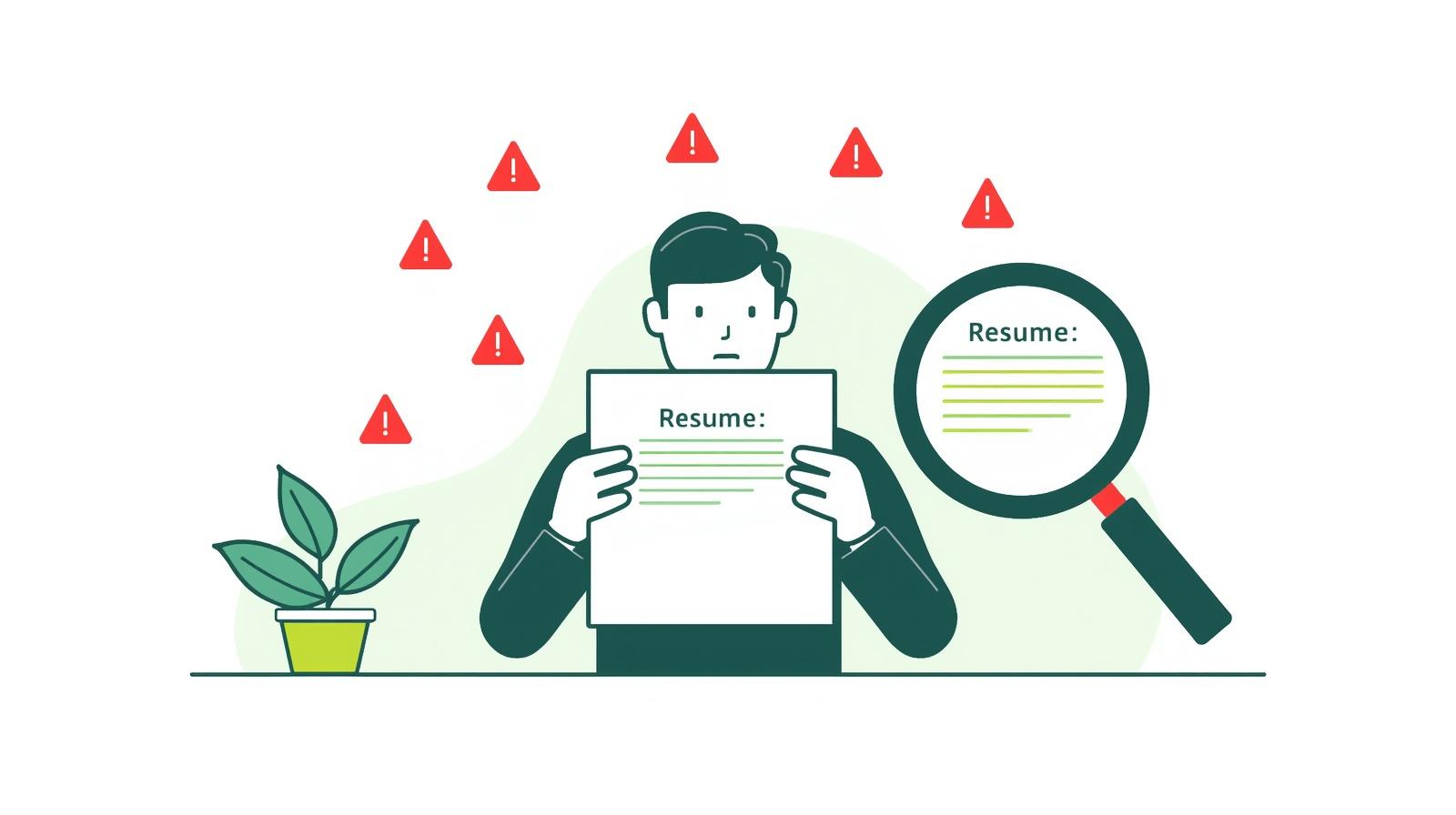
You are qualified. You have the experience. You are applying consistently. Yet the interview invitations simply are not coming — and you cannot figure out why.
The answer is almost always hiding in your resume.
Hiring managers spend less than ten seconds scanning a resume before deciding whether you move forward. That means even small mistakes carry serious consequences. Here are the seven most common ones — and exactly how to fix them.
1. Sending the Same Resume to Every Job A generic resume tells a hiring manager you are not truly interested in their specific role. Before applying anywhere, read the job description carefully and adjust your resume to reflect the language, skills, and priorities they are emphasizing. Small targeted adjustments make an enormous difference.
2. Listing Duties Instead of Achievements “Managed a team” tells an employer what your job was. It does not tell them how well you did it. Replace every duty with a measurable achievement. “Led a team of 8 and increased quarterly revenue by 34%” is the kind of statement that gets interviews.
3. A Weak Professional Summary Vague openers like “results-driven professional” communicate nothing. Write a tight 3–4 sentence summary that clearly states who you are, what you bring, and what you are looking for. Think of it as your written elevator pitch.
4. Ignoring Applicant Tracking Systems Many companies use software to screen resumes before a human ever sees them. If your resume does not contain the right keywords from the job description, it may never reach a recruiter at all. Mirror the language from each posting throughout your resume naturally.
5. Including Outdated or Irrelevant Experience Every line on your resume should earn its place. Focus on the last 10–15 years. If older experience is not directly relevant to the role you are applying for, cut it without hesitation.
6. Cluttered or Inconsistent Formatting A hard-to-read resume creates an immediate negative impression regardless of how strong the content is. Use a clean single font, consistent spacing, and plenty of white space. Simple and scannable always wins.
7. Typos and Grammar Errors A single typo signals carelessness — and in a competitive market, carelessness is disqualifying. Read your resume out loud and have someone else proofread it before sending a single application.
Closing: Your resume is the opening argument for why you deserve an interview. Fix these mistakes today and give your next application the strong foundation it deserves.